

General
General

Why Electric Cars Are More About Software Than Batteries

When most people think about electric cars, the first thing that comes to mind is the battery. After all, the battery determines how far a vehicle can travel on a single charge. But behind the scenes, something even more transformative is shaping the future of electric vehicles: software. Modern electric cars are essentially computers on wheels, with code controlling everything from performance and safety to entertainment and navigation. While batteries power the vehicle, software determines how intelligently that power is used. As the automotive industry evolves, software is becoming one of the most important factors that define how electric cars perform and improve over time.

Cars Are Becoming Rolling Computers

Unlike traditional vehicles that rely mostly on mechanical systems, electric cars are built around advanced digital architecture. Numerous sensors, processors, and control units constantly collect and analyze data while the car is running. Software manages power distribution, battery temperature, regenerative braking, and even driving behavior. Because of this digital foundation, electric vehicles can process information in real time, adjusting performance and efficiency based on conditions such as terrain, weather, and driving habits. In many ways, the driving experience is increasingly shaped by algorithms rather than purely mechanical components.

Over-the-Air Updates Change Everything

black car

One of the biggest software advantages in electric cars is the ability to receive over-the-air updates. Instead of visiting a dealership for upgrades or fixes, vehicles can download improvements directly through the internet. These updates can enhance battery efficiency, improve safety systems, refine driving features, and even add entirely new capabilities. Over time, a car can actually become better than it was the day it was purchased. This concept is similar to how smartphones receive software updates, and it represents a major shift in how vehicles evolve after they leave the factory.

Smart Energy Management

While the battery is the heart of an electric vehicle, software acts as the brain that manages it. Smart energy management systems constantly analyze how power is used and adjust accordingly to maximize efficiency. For example, software can optimize regenerative braking to recover more energy when slowing down or balance battery temperature to maintain optimal performance. These systems can also estimate driving range more accurately by analyzing traffic patterns, elevation changes, and driving style. Without advanced software managing these variables, even the most powerful battery would be far less efficient.

Driver Assistance and Autonomous Features

Another reason software plays such a critical role is the rise of advanced driver assistance systems. Features like lane-keeping assistance, adaptive cruise control, automated parking, and collision avoidance rely almost entirely on software processing data from cameras, radar, and sensors. As electric vehicles continue to develop semi-autonomous and fully autonomous capabilities, software will become even more central to the driving experience. In many ways, the race to build the best electric car is increasingly becoming a race to develop the most advanced driving software.

The Ecosystem Inside the Car

Electric vehicles also integrate digital ecosystems that extend beyond the basic act of driving. Infotainment systems, navigation tools, voice assistants, smartphone integration, and connected services are all powered by software. Drivers can customize settings, monitor charging status remotely, and receive navigation routes that account for charging stations along the way. These digital services create a seamless experience that blends transportation with modern technology, making the car feel more like a smart device than a traditional machine.

Batteries may power electric cars, but software defines how they function, improve, and interact with drivers. From energy management and safety systems to over-the-air updates and digital ecosystems, code is becoming the driving force behind the evolution of modern vehicles. As technology continues to advance, the success of electric cars will depend not only on better batteries but also on smarter software. In the future, the best electric vehicles may not simply be the ones with the longest range—but the ones with the most intelligent systems running behind the scenes.…


Twitter Engagement Strategies That Actually Work

Twitter isn’t just about broadcasting updates. It’s a fast-paced platform built around interaction. Engagement shows your audience is paying attention. It proves your content is worth reacting to. Without it, your tweets disappear into the void. Growing a presence here takes more than just posting. It requires knowing what drives conversation and how to maintain it. Strategy makes the difference between noise and influence.

Know When to Post

phone

Timing directly affects visibility. A well-crafted tweet won’t perform if no one sees it. Study your audience. Use Twitter Analytics or third-party tools to find out when your followers are most active. Time zones matter. User habits matter more. Try different posting times during weekdays and weekends. Adjust based on performance. Consistent testing helps you find the sweet spot. One schedule doesn’t fit all.

Create Conversations, Not Monologues

One of the most effective ways to increase engagement is to interact. Don’t just post and leave. Stick around. Ask questions that invite answers. Comment on others’ tweets with useful insights. Reply to responses. Quote-tweet when you can add a fresh perspective. Twitter rewards this behavior with more reach. Engagement begets engagement. The more conversations you join, the more people notice you. Your account becomes active, responsive, and worth following.

Use Threads to Tell Better Stories

Threads allow you to go beyond the limits of a single tweet. They keep users reading and give you room to expand your message. Use them for tutorials, storytelling, analysis, or even personal reflections. Always start with a strong hook. If the first tweet doesn’t grab attention, the rest won’t matter. Threads also increase time spent on your content, which signals value to the algorithm. When used right, they deliver more visibility and deeper connections.

Focus on Visuals

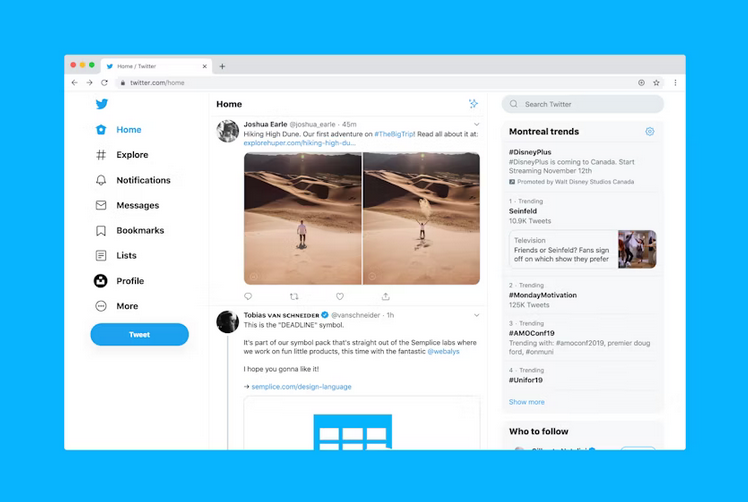
twitter account

Images, videos, and GIFs get more engagement than text-only posts. They stop the scroll. Even simple visuals like screenshots or branded graphics can lift performance. Add context with clear captions. Make sure your media supports the message. You don’t need design skills to post well. Just ensure the visual is relevant and clean. Including emojis or line breaks in text can also improve readability. Change the format often to keep your feed interesting.

Engage Beyond Your Own Tweets

You won’t grow if you only talk about yourself. Spend time replying to others. Join trending conversations in your niche. Retweet posts you find useful and add your take. This builds visibility and helps you reach new audiences. The more active you are in your community, the more familiar your name becomes. That familiarity turns into engagement. People are more likely to respond when they’ve seen you before.

Be Consistent, Not Constant

Posting every hour won’t help if the content lacks value. Aim for regular, thoughtful tweets instead. Show up daily or a few times per week, depending on your goals. Stick to your theme or tone so followers know what to expect. Use your own voice, not generic copy. People follow personalities, not templates. Over time, this creates a unique brand presence.

Getting people to interact with your tweets doesn’t require luck. It takes a clear strategy, ongoing effort, and understanding how the platform works. Focus on quality, timing, and real conversations. Stay present. Use tools like threads and visuals to stand out. And above all, make every tweet count. By applying these principles with the utmost focus and intention, your Twitter engagement won’t just grow, it will last.…

How Smart Technologies Are Reshaping the Remote Workforce Landscape

In a world where the office cubicle is becoming as outdated as a rotary phone, smart technologies are leading the charge in revolutionizing how we work from home—or anywhere, really. Picture this: seamless video calls that feel like you’re in the same room, AI-driven tools that anticipate your needs before you even know them, and virtual collaboration platforms that make teamwork more dynamic than ever.

As remote work becomes not just a trend but an integral part of our professional lives, it’s clear that technology isn’t just supporting this shift—it’s reshaping it entirely. Join us on this journey as we explore how innovative solutions transform the remote workforce landscape into a vibrant ecosystem of productivity and connection.

Advanced Communication Tools

One of the most significant ways technology has impacted remote work is through advanced communication tools. Platforms like Zoom, Microsoft Teams, and Slack have become indispensable, allowing teams to stay connected regardless of geographic location. These tools facilitate real-time collaboration, video conferencing, and instant messaging, effectively bridging the distance between remote employees and their colleagues. The ability to communicate seamlessly has made remote work possible and highly efficient.



Cloud Computing

Cloud computing has been a game-changer for remote work, enabling employees to access files, applications, and resources from anywhere in the world. Platforms like Google Workspace, Microsoft 365, and Dropbox allow teams to collaborate on documents, share data, and work on projects in real time. The cloud’s flexibility and scalability have empowered businesses to maintain continuity and productivity, even when their workforce is dispersed.

Cybersecurity

Cybersecurity has become a critical concern as remote work becomes more prevalent. The shift to home offices and the use of personal devices have increased the risk of cyber threats. Companies are investing in advanced cybersecurity measures, such as virtual private networks (VPNs), multi-factor authentication (MFA), and endpoint protection software to address this. These technologies are essential in safeguarding sensitive data and ensuring that remote work environments remain secure.

Artificial Intelligence and Automation

Artificial intelligence (AI) and automation are growing in remote work, streamlining tasks and enhancing productivity. AI-driven tools like chatbots, virtual assistants, and project management software are helping remote teams manage their workloads more efficiently. Automation reduces the need for manual processes, allowing employees to focus on higher-value tasks. This shift is increasing efficiency and enabling businesses to scale their operations with a distributed workforce.

Virtual Reality and Augmented Reality

Virtual reality (VR) and augmented reality (AR) are beginning to redefine the way remote teams collaborate. These immersive technologies allow employees to interact in virtual environments, conduct training sessions, and collaborate on complex projects as if they were in the same room; for industries like engineering, architecture, and healthcare, VR and AR offer innovative ways to visualize data, conduct simulations, and enhance teamwork across distances.

Remote Work Management Platforms

The rise of remote work has led to the development of specialized remote work management platforms, such as Asana, Trello, and Basecamp. These tools help businesses manage remote teams, track progress, assign tasks, and monitor performance from a central dashboard. These platforms are essential for maintaining productivity and alignment in a remote work setting by providing visibility into workflows and ensuring accountability.

The Role of 5G and High-Speed Internet

The rollout of 5G and high-speed internet is set to further enhance the remote work experience. Faster internet speeds and lower latency will enable smoother video conferencing, quicker file transfers, and more reliable connectivity for remote employees. As 5G becomes more widespread, it will remove many of the barriers associated with remote work, making it even more accessible and efficient. Technology has driven the remote work revolution, enabling businesses to adapt and thrive in an increasingly digital world. Advanced communication tools, cloud computing, cybersecurity, AI, VR/AR, remote work management platforms, and the advent of 5G play pivotal roles in shaping the future of work. As these technologies continue to evolve, they will further enhance the remote work experience, making it a viable and even preferred option for many businesses and employees. In this new landscape, staying ahead of technological advancements will be key to maintaining a competitive edge and ensuring that remote work remains productive, secure, and innovative.…

Twitter Marketing Guide to Getting Out of Twitter Jail: Should You Buy Twitter Followers?

If you’ve ever experienced being shadow-banned, temporarily suspended, or even worse, completely banned from Twitter, then you know just how frustrating it can be. This is especially true, knowing that some places to buy Twitter Followers may put you in the Twitter jail for some reason. But fear not. In today’s guide to avoiding Twitter Jail, we’ll dive deep into building a strong presence on this popular social media platform. Join us as we explore whether this shortcut is worth it or if there are better ways to achieve long-lasting success on Twitter.

Shadow Ban

Have you ever felt like your tweets are falling into a void, reaching only a fraction of your followers? You might be experiencing the dreaded shadow ban. But what exactly is a shadow ban? It’s when Twitter limits the visibility of your content without notifying you directly. This means that while you may still see your own tweets and have access to all features, your engagement and reach suffer significantly. Twitter implements this measure to combat spammy or inappropriate behavior on its platform. The algorithm identifies accounts that violate their rules and restricts their visibility in search results and hashtags. Essentially, it puts you in a sort of social media purgatory where your tweets go unnoticed by most users.

phone

Temporary Suspension

Twitter is known for its strict rules and guidelines, and sometimes, even the most well-intentioned users can find themselves in hot water. One such consequence of breaking Twitter’s rules is a temporary suspension. This means that your account will be temporarily disabled, usually for a specified period of time. During this suspension, you won’t be able to access your account or engage with other users on the platform. It can be a real headache, especially if you rely on Twitter for marketing or networking purposes. However, note that a temporary suspension is just that – temporary.

Suspension

Suspension is definitely a horror movie on Twitter. It often happens when you violate the platform’s rules, such as engaging in abusive behavior, spamming, or posting inappropriate content. When you are suspended from Twitter, your account becomes inaccessible. During a suspension, you lose access to all features of your account and cannot post tweets or interact with other users. This can have a significant impact on your social media marketing efforts and block your ability to reach your audience effectively.

How to Prevent Getting into the Twitter Jail Again

We all agree that those three forms of Twitter jail are indeed a serious hallmark that we’ve done something wrong or, sometimes, terribly bad. That’s why it pays to learn how to build your brand on this platform without any risks of trouble. Let’s learn just how to prevent getting into it again.

  • Play by the rules: Familiarize yourself with Twitter’s guidelines and terms of service
  • Be mindful of your content: Sharing relevant, valuable, and original content is key to building an engaged following.
  • Monitor your account activity: Please keep an eye on your follower count, engagement rates, and mentions regularly.
  • Curate a diverse network: Aim for quality over quantity when it comes to followers. Build connections with individuals who align with your brand values and can contribute positively to discussions within your niche.

By implementing these preventative measures consistently, you can significantly reduce the risk of landing back in Twitter Jail! Remember, maintaining authenticity, providing value, and respecting community guidelines are fundamental elements for success on this social media platform.

That said, focus on building an organic following by creating top-notch, quality content that shares a harmonious vibe with your target audience. Engage with other users through meaningful interactions such as retweets, replies, and thoughtful comments. Utilize hashtags strategically to increase visibility and reach a wider audience.…