


Why Your Morning Cup Carries Centuries of Story
Few drinks manage to be both ordinary and extraordinary at the same time. Coffee is poured into mugs every morning without much thought, yet behind that simple act sits centuries of trade, migration, and cultural adaptation. Most people reach for it half-awake, more concerned with caffeine than curiosity. Few pause to think that the history of coffee winds through Sufi monasteries, Ottoman courts, and colonial plantations long before it became a billion-dollar commodity. A drink that now touches nearly every corner of the globe did not arrive in kitchens and cafés by accident, but passed through markets, ports, and plantations, picking up new meanings at every stop.
From Mountain Shrub to Global Habit
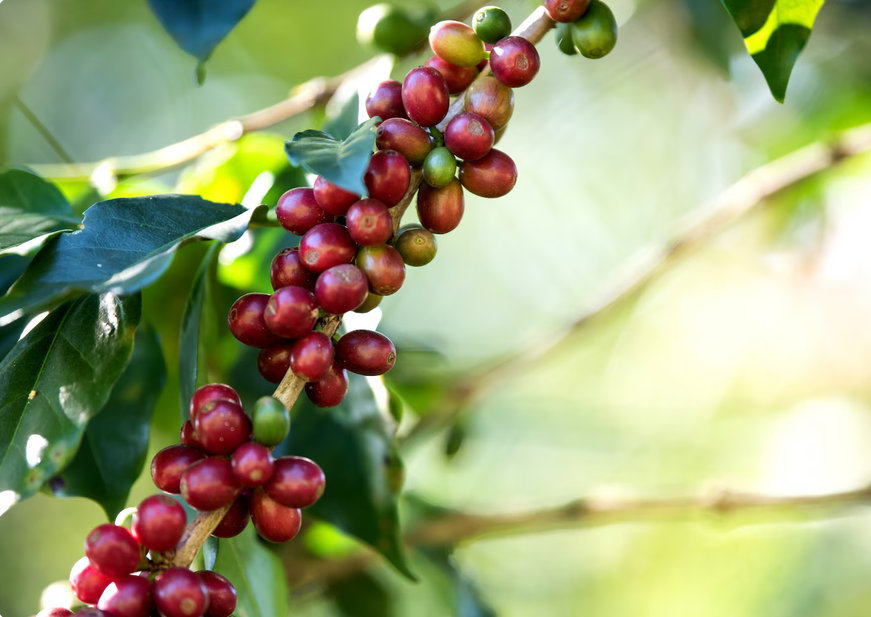
Coffee started as a wild plant growing in the highlands of what is now Ethiopia, long before anyone thought to roast or brew it. Local communities chewed the berries or mixed them with fat for energy, treating the plant more like a food source than a beverage. Fermented versions of the fruit also appeared in certain communities, turning the cherries into a mild, wine-like drink shared during gatherings. Herders and travelers likely carried the berries across trade paths long before anyone wrote down what the plant was or where it had come from. It took generations of experimentation before someone figured out that roasting and steeping the beans produced the dark drink we recognize now.
A Journey Across Continents
The spread of coffee is really a story about trade routes, religious practice, and colonial ambition. Sufi monks in southern Arabia were among the first to drink it regularly, using it to stay alert during long nights of devotion. From there it moved into Ottoman coffeehouses, then European ports, and eventually onto plantations in the Americas and Southeast Asia. Dutch traders were especially determined, eventually smuggling live plants out of Yemen and breaking a near-monopoly that had lasted for generations. Within a few centuries, cultivation had expanded from a single highland region to dozens of countries spanning several continents.

Why the Ritual Still Matters
Part of coffee’s staying power comes from the way it structures time. A coffee break marks a pause in work, and a shared pot signals hospitality. Ordering a particular style of brew, whether a simple drip or a carefully pulled espresso, says something about personal taste and identity. The beverage has absorbed local customs everywhere it traveled, which is why a cup in Istanbul, Naples, or New Orleans can taste and feel so different despite starting from the same basic bean. Even the vessel matters: a thimble-sized cup implies something different from a tall mug meant for sipping over hours of work. These small rituals give people a sense of control and continuity in days that otherwise feel scattered and rushed.
Thinking Beyond the Cup
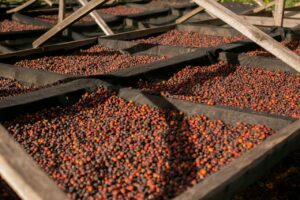
There is also a less comfortable side to the story. Coffee farming has long depended on labor that was often exploited, first through colonial systems and later through global supply chains that still leave many growers with thin margins. Interest in fair trade practices and direct relationships between roasters and farms has grown partly as a response to that history. Climate change adds another layer of pressure, since shifting rainfall and rising temperatures are already pushing some farmers to replant at higher, cooler elevations. Consumers who learn where their beans come from often find themselves paying closer attention to harvest conditions, not just flavor notes. Next time you wait for the kettle or watch espresso drip into a cup, it might be worth thinking about the long chain of hands behind it.…